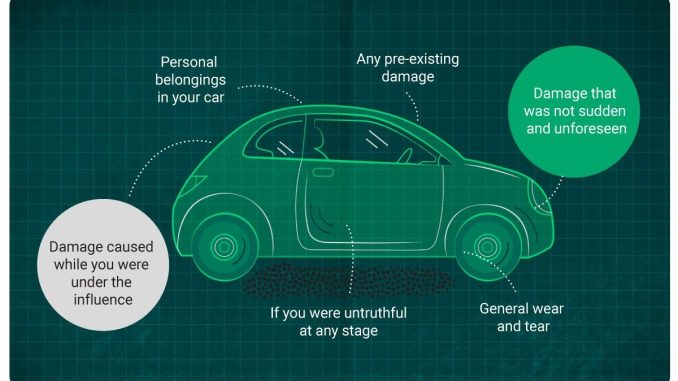
Discovering that your car insurance policy doesn’t cover all the costs after an accident or incident can be a jarring and financially stressful revelation. Many drivers assume their comprehensive or collision coverage will handle everything, only to be met with unexpected out-of-pocket expenses for deductibles, rental cars, or even total losses that exceed their coverage limits. This unwelcome surprise highlights the critical importance of understanding your policy’s nuances *before* a claim arises and knowing how to navigate the aftermath when your coverage falls short. It’s a proactive approach to financial resilience in the face of automotive mishaps.
### Understanding Your Policy’s Limitations Before an Incident
The first, and arguably most crucial, step in addressing coverage gaps is to **understand your policy’s limitations** well before you ever need to file a claim. Many drivers focus solely on the premium cost, neglecting to delve into the specifics of their coverage limits, deductibles, and exclusions. Take the time to review your policy document thoroughly. If you’re unsure about any terms, don’t hesitate to call your insurance agent or company representative for clarification. They are there to help you decipher the jargon.
Key areas to scrutinize include:
* **Liability Limits:** This specifies the maximum amount your insurer will pay for damages and injuries you cause to others. If the damages exceed these limits, you’re personally responsible for the remainder.
* **Collision and Comprehensive Deductibles:** This is the amount you must pay out-of-pocket before your insurance kicks in for damages to your own vehicle, whether from an accident (collision) or other events like theft, vandalism, or natural disasters (comprehensive).
* **Actual Cash Value (ACV) vs. Replacement Cost:** Most policies pay out the **Actual Cash Value** of your vehicle in the event of a total loss, meaning its value factoring in depreciation. This can be significantly less than what you paid for it or what it costs to replace it with a new car. Few policies offer **Replacement Cost** coverage, which would pay for a brand new vehicle of the same make and model.
* **Exclusions:** Policies can have specific exclusions for certain types of events or damages, such as intentional acts, racing, or using your personal car for ride-sharing without specific endorsements.
* **Rental Car Reimbursement:** Many policies don’t automatically include rental car coverage, or if they do, the daily limits and duration might be insufficient for your needs.
* **Gap Insurance:** If you have a loan or lease on your vehicle, your ACV payout might be less than what you still owe. **Gap insurance** covers this “gap.” If you don’t have it, that difference comes directly out of your pocket.
By understanding these elements upfront, you can make informed decisions about adjusting your coverage or preparing for potential out-of-pocket expenses.
—
### Navigating the Aftermath: Initial Steps When Under-Insured
When an incident occurs and you realize your coverage might fall short, your immediate actions are critical. First and foremost, **prioritize safety and follow legal requirements**, such as exchanging information with other drivers and reporting the accident to the police if necessary. Once the immediate aftermath is handled, notify your insurance company promptly. Even if you suspect limited coverage, filing a claim is essential to initiate the process and understand precisely what your insurer *will* cover.
During this process, **document everything meticulously**. Take photos of the damage to all vehicles involved, the accident scene, and any relevant road conditions. Gather contact information for witnesses. Keep detailed records of all communication with your insurance company, the other driver’s insurer, repair shops, and any medical providers. This documentation will be invaluable if you need to dispute a claim or pursue additional compensation.
—
### Strategies for Covering the Gaps: Out-of-Pocket Solutions
If your insurance payout doesn’t cover all your costs, you’ll need to explore strategies for handling the remaining balance.
* **Deductibles:** These are your immediate responsibility. Ensure you have an emergency fund or sufficient savings specifically earmarked for deductibles. This is a non-negotiable cost before coverage begins.
* **Negotiating with Repair Shops:** For damages to your own vehicle exceeding coverage or if you’re paying out-of-pocket for minor repairs, get multiple quotes from different reputable repair shops. Don’t simply accept the first estimate. Clearly communicate your budget and see if they can work within it, perhaps by using aftermarket parts instead of OEM (Original Equipment Manufacturer) parts, if appropriate and safe.
* **Payment Plans:** If you face a substantial out-of-pocket bill from a repair shop, hospital, or another party, inquire about setting up a payment plan. Many providers are willing to work with you to establish manageable monthly installments, avoiding the immediate burden of a large lump sum.
* **Personal Savings or Emergency Fund:** This is precisely why building a robust emergency fund is crucial. It acts as a financial safety net for unexpected expenses like high deductibles, rental car costs, or repair bills not covered by insurance. If you lack a dedicated emergency fund, consider tapping into other non-retirement savings.
—
### Exploring Other Avenues for Compensation or Mitigation
Sometimes, the shortfall in your coverage can be mitigated through other avenues, especially if another party was at fault.
* **The At-Fault Driver’s Insurance:** If another driver was clearly at fault, their liability insurance should cover damages to your vehicle and any injuries you sustained, up to their policy limits. Your insurance company will typically handle the subrogation process (recovering costs from the other insurer). However, if their limits are too low, you might still face a shortfall.
* **Uninsured/Underinsured Motorist (UM/UIM) Coverage:** This optional but highly recommended coverage protects *you* if the at-fault driver has no insurance or insufficient insurance to cover your damages and medical bills. If you have this coverage, it kicks in to cover the gap up to your UM/UIM limits. This is a vital layer of protection against the financial irresponsibility of others.
* **Legal Consultation:** In cases of significant damage, serious injury, or complex fault disputes, consulting with a personal injury attorney might be advisable. They can help you understand your rights, negotiate with insurance companies, and potentially pursue legal action against the at-fault party to recover costs not covered by insurance.
* **Reviewing Your Policy Annually:** After an incident, or even just annually, take the opportunity to review your policy with your agent. Discuss what happened, what was covered, and what wasn’t. Use this experience to adjust your coverage to better protect yourself in the future. Perhaps increasing liability limits, adding rental reimbursement, or purchasing gap insurance are wise investments for peace of mind.
In essence, navigating car insurance shortfalls requires a combination of proactive preparation and reactive problem-solving. By understanding your policy’s fine print, meticulously documenting incidents, exploring all avenues for compensation, and having personal financial safeguards in place, you can significantly reduce the sting of unexpected automotive expenses and regain control over your financial well-being.