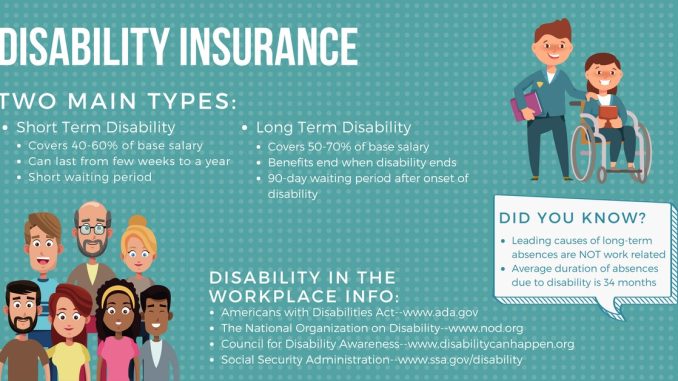
In the world of personal finance, we are well-versed in planning for life’s major milestones. We diligently save for retirement, we secure life insurance to protect our families after we are gone, and we invest to build wealth over time. Yet, there is a vast and vital period between starting a career and retiring that is often overlooked: the possibility of being unable to work for an extended period due to illness or injury. This is where Long-Term Disability Insurance emerges, not as a niche product for the unlucky few, but as a foundational pillar of financial security for every working professional. It is the one policy designed to protect your single most valuable economic asset: your ability to earn an income.
The need for this protection is often underestimated because of a common psychological barrier—the belief that “it won’t happen to me.” When we think of long-term disability, our minds often jump to dramatic, unforeseen accidents. The reality, however, is that the most common causes of long-term work absences are far more familiar: chronic conditions like cancer, heart disease, severe back problems, and other progressive illnesses. This risk is not a remote possibility but a statistical reality for many working-age adults. It is also crucial to distinguish its role from other insurance types. While health insurance is essential for paying hospital and medical bills, it does not cover your mortgage or put food on the table. A critical illness policy provides a valuable lump-sum payment, but this may not be sufficient to cover years of lost income. Disability income insurance is uniquely designed to fill this specific, critical gap.
The core benefit of this insurance is the preservation of your financial lifeblood—your monthly income. Should an illness or injury prevent you from working, the policy provides a regular monthly benefit, typically calculated as a percentage of your previous salary. This steady, recurring cash flow is what allows a family to maintain its financial equilibrium during a period of immense stress. It ensures that the non-negotiable, recurring expenses of modern life—housing payments, utility bills, groceries, transport costs, and school fees—continue to be met. The peace of mind that comes from knowing these fundamental needs are covered is immeasurable.
By providing this ongoing income replacement, disability insurance does more than just cover daily expenses; it protects your entire long-term financial plan from being derailed. Without this safety net, a prolonged period of no income would force a family to make devastating choices: liquidating retirement savings prematurely, selling off investments at inopportune times, or abandoning educational funds set aside for their children. Disability insurance acts as a firewall, safeguarding these hard-won assets and allowing your long-term financial goals to remain intact, even when your career is forced onto an unexpected pause.
When evaluating a long-term disability policy, understanding a few key features is paramount. The most important of these is the definition of “disability” itself. A superior policy will have an “own occupation” definition, which means benefits are paid if you are unable to perform the specific duties of your own profession, even if you could technically work in a different, lower-paying field. For a highly skilled professional in Singapore, such as a surgeon, lawyer, or pilot, this distinction is vital as it protects their specialized earning potential. You must also consider the benefit period—how long the payments will last—which can range from a few years up to age 65, and the elimination period, which is the waiting time before benefits begin.
In the dynamic economy of July 2025, this coverage is essential for a wide range of individuals. It is vital for parents with financial dependents, but it is equally critical for single professionals whose entire lifestyle and financial obligations rest solely on their own income. For the growing number of freelancers, consultants, and business owners, personal disability insurance is even more crucial, serving as the only backstop in the absence of corporate-sponsored medical leave or group insurance benefits.
Ultimately, Long-Term Disability Insurance is the unsung hero of a resilient financial strategy. It is the policy that protects all your other goals and aspirations. By insuring your income stream, you are creating a durable financial future, one that has the strength and flexibility to withstand life’s most challenging and unexpected turns, allowing you to focus on what truly matters: your health, your family, and your recovery.