In an era of rising living costs and increasing awareness of environmental impact, finding ways to reduce household expenses has become a priority for many families and businesses alike. Among the most significant recurring costs are utilities – electricity, heating, water, and often internet. The common misconception is that saving money on these essentials inevitably means sacrificing comfort, enduring chilly rooms in winter, or dim lighting year-round. However, with strategic planning, smart technologies, and a few conscious behavioral adjustments, it is entirely possible to significantly reduce your utility bills without compromising your comfort or lifestyle. This intelligent approach to resource consumption not only benefits your wallet but also contributes positively to a more sustainable future, a principle deeply valued in nations like Germany.
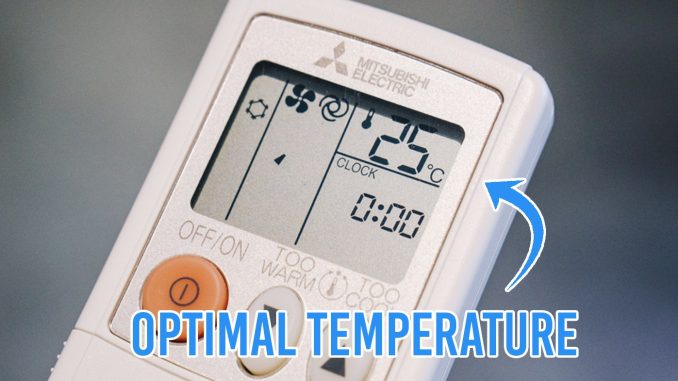
One of the most impactful strategies for reducing energy consumption, particularly for heating and cooling, lies in **optimizing your home’s thermal envelope and leveraging smart thermostats**. Much of the energy consumed for temperature control escapes through poorly insulated walls, windows, and doors. Investing in proper insulation for attics, walls, and floors, along with sealing air leaks around windows and doors with weatherstripping and caulk, can dramatically reduce heat loss in winter and heat gain in summer. While these might represent an initial investment, the long-term savings are substantial. Complementing these structural improvements with a smart thermostat, such as those popular in German households, allows for precise temperature control. These devices learn your preferences, can be programmed to adjust temperatures automatically based on occupancy or time of day, and can even be controlled remotely via a smartphone. Imagine your heating system automatically lowering the temperature when you leave for work and raising it just before you return, ensuring comfort upon arrival without wasting energy on an empty house. This intelligent management of heating and cooling is a cornerstone of significant utility savings.
Beyond temperature control, a significant portion of electricity consumption comes from lighting and appliances. The transition to **energy-efficient lighting and mindful appliance use** offers substantial savings. Replacing traditional incandescent bulbs with LED (Light Emitting Diode) lighting is a no-brainer. LEDs consume a fraction of the energy, last significantly longer, and provide superior illumination. While the upfront cost might be slightly higher, the savings on electricity bills and replacement bulbs quickly outweigh it. For appliances, always look for energy-star ratings or their equivalents (like the EU energy label system prevalent in Germany) when purchasing new items, as these indicate superior energy efficiency. Even with existing appliances, mindful use makes a difference: unplug “phantom loads” or “vampire electronics” that draw power even when turned off (e.g., phone chargers, coffee makers, TVs in standby mode). Running dishwashers and washing machines only when full, and utilizing eco-friendly cycles, also contribute to notable savings on both electricity and water.
Water consumption, often taken for granted, represents another significant utility expense that can be reduced without sacrificing comfort. Implementing **water-saving fixtures and adopting conscious water usage habits** can lead to considerable savings. Replacing old, inefficient showerheads with low-flow models can drastically reduce water usage during showers without compromising water pressure. Similarly, installing aerators on faucets mixes air with water, maintaining pressure while using less water. Dual-flush toilets also offer an efficient way to reduce water per flush. Beyond fixtures, behavioral changes are crucial: taking shorter showers, turning off the tap while brushing teeth or shaving, fixing leaky faucets and toilets promptly, and collecting rainwater for garden use are all simple yet effective ways to conserve water. These small adjustments cumulatively result in substantial savings on your water bill.
For businesses and homes with gardens, **optimizing outdoor water use** also presents a significant opportunity. Implementing smart irrigation systems that adjust watering schedules based on local weather forecasts and soil moisture levels can prevent overwatering and unnecessary waste. Utilizing drought-resistant landscaping, known as xeriscaping, reduces the need for extensive irrigation. Even simply watering plants during cooler parts of the day, like early morning or late evening, minimizes evaporation and ensures water reaches the roots more effectively. These measures not only save money but also contribute to responsible water stewardship, a particularly relevant consideration in regions experiencing periods of drought.
Finally, a truly holistic approach to utility savings involves **regular monitoring and understanding your consumption patterns**. Many utility providers, including those across Germany, offer online portals that allow customers to track their electricity, gas, and water usage in real-time or view historical data. Analyzing these reports can reveal peak consumption times or inefficient appliances, guiding your efforts towards areas where you can make the biggest impact. Consider a smart home energy monitor that provides instant feedback on energy use, making you more aware of how different activities or appliances impact your bill. This data-driven approach empowers you to make informed decisions and continuously refine your conservation strategies, ensuring that you are always finding new ways to optimize comfort while minimizing cost and environmental footprint.
In conclusion, saving money on utilities without sacrificing comfort is not an unattainable ideal but a highly achievable goal through a combination of strategic investments and mindful habits. By enhancing home insulation and utilizing smart thermostats, switching to energy-efficient lighting and appliances, adopting water-saving fixtures, optimizing outdoor water use, and diligently monitoring consumption, individuals and businesses can significantly reduce their environmental impact while enjoying the same, if not greater, levels of comfort. This intelligent approach to resource management benefits both your personal finances and the broader global effort towards sustainability.