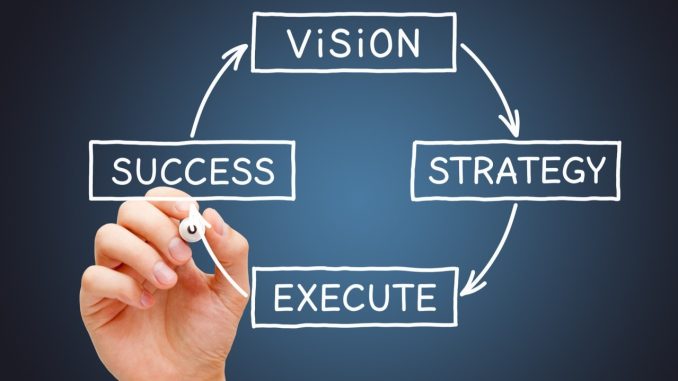
In the rapid currents of today’s business world, where short-term gains often dominate discussions and immediate challenges demand constant attention, it can be tempting to lose sight of the distant horizon. Yet, for true and sustainable success, a business needs more than just a strategic plan for the next quarter or year; it requires a compelling, well-articulated long-term vision. This vision is not merely a fanciful dream, but a guiding star, illuminating the path forward, inspiring innovation, and aligning every action towards a grander purpose. Developing such a vision is a profound exercise, one that transcends day-to-day operations to define the ultimate aspiration and impact of an enterprise.
At its core, a long-term business vision paints a vivid picture of the desired future state of the organization. It answers the fundamental question: “What do we ultimately want to become, achieve, and contribute to the world in the next five, ten, or even twenty years?” This is not about the specific products you’ll sell or the precise market share you’ll capture, but rather the transformative impact you aspire to make. Consider Microsoft’s evolving vision, which has shifted from “a computer on every desk and in every home” to empowering “every person and every organization on the planet to achieve more.” This broader, more purpose-driven vision allows for greater flexibility and adaptation while maintaining a clear sense of direction even as technology and markets evolve.
The process of developing a robust long-term vision begins with a period of deep introspection and imaginative thinking. It requires stepping away from the immediate pressures and allowing for strategic reflection. This often involves engaging key stakeholders, from leadership and employees to trusted advisors and even customers, in a collaborative exercise. Begin by analyzing your core strengths, unique capabilities, and the fundamental values that drive your business. What are you inherently good at? What problems are you passionate about solving? What positive change do you wish to see in the world as a result of your business’s existence? These questions help uncover the intrinsic motivation and distinctive essence that will form the bedrock of your vision.
Once these foundational elements are clear, the next step involves looking outward and forward. Analyze the macro trends shaping your industry, society, and technology. What emerging opportunities or disruptive forces might redefine your market in the coming years? What societal shifts or environmental concerns might become central to your customers’ lives? A vision should be ambitious and forward-thinking, not merely a slight improvement on the present. For example, a sustainable fashion brand might envision a future where circular economy principles are mainstream, and their business is a leading force in responsible consumption, rather than just aspiring to sell more clothes. This future-oriented perspective ensures the vision remains relevant and inspiring over time.
A truly effective long-term vision is characterized by several key qualities. Firstly, it must be **aspirational and inspiring**. It should be grand enough to excite and motivate employees, partners, and customers, pulling them towards a shared future. Secondly, it needs to be **clear and concise**. While it describes a big picture, it must be articulated in a way that is easily understood and remembered by everyone. Avoid jargon and corporate buzzwords. Thirdly, it should be **challenging yet achievable**. While ambitious, it shouldn’t feel utterly unattainable, which could lead to cynicism. It needs to provide a stretch goal that encourages innovation and perseverance. Fourthly, it should be **future-oriented**, focusing on what the business *will* become, not just what it is today. Finally, it should be **enduring**. While strategies and tactics will change, the core vision should remain a stable guiding principle for many years.
After crafting the vision statement, the most critical phase is communicating and embedding it throughout the organization. A vision gathering dust in a strategic planning document is useless. It must be actively communicated, discussed, and integrated into the daily fabric of the business. Leaders must champion the vision, referencing it frequently in meetings, performance reviews, and strategic discussions. Employees should understand how their individual roles contribute to the realization of this broader aspiration. This integration transforms the vision from a mere statement into a living, breathing guide for every decision and action. For instance, if a company’s vision is to be the leader in personalized healthcare, every product development, customer interaction, and technological investment should be evaluated against that overarching goal.
In essence, developing a long-term business vision is an act of leadership and strategic foresight. It requires courage to imagine a future beyond the immediate horizon and the discipline to articulate it with clarity and conviction. When successfully crafted and deeply embedded, a long-term vision becomes an invaluable asset, providing direction during times of uncertainty, fostering innovation, attracting aligned talent, and ultimately serving as the powerful engine that drives a business towards its most impactful and enduring success. It transforms an enterprise from a mere profit-generating entity into a purposeful force for positive change.