In the grand tapestry of the human body, the skin serves as far more than just an outer covering. It is our largest organ, a remarkable, dynamic interface with the world, constantly shedding, regenerating, and adapting. Beyond its roles in protection, temperature regulation, and sensation, the skin also acts as a powerful, albeit often subtle, messenger. It reflects our internal state, offering visual cues and sometimes overt warnings about our overall health, diet, lifestyle, and even emotional well-being. Learning to “read” your skin, understanding what its various changes might signify, is a profound step towards a more holistic approach to personal health.
One of the most immediate indicators your skin provides is its **hydration level**. Dry, flaky, or dull skin can often be a tell-tale sign of dehydration. While external factors like dry air or harsh soaps play a role, insufficient water intake is a common culprit. When your body lacks adequate fluids, it prioritizes essential organ function, often drawing water from peripheral tissues like the skin. Conversely, well-hydrated skin appears plump, supple, and radiant, reflecting optimal fluid balance within the body. Paying attention to persistent dryness, despite applying moisturizer, might be your skin’s way of prompting you to reach for that glass of water more frequently.
Beyond hydration, the **color and tone** of your skin can offer significant insights. A healthy complexion typically exhibits an even tone with a natural glow. Pallor, or an unusual paleness, might suggest anemia, a condition where the blood lacks sufficient healthy red blood cells, reducing oxygen delivery throughout the body. A yellowish tint, particularly in the whites of the eyes, can indicate jaundice, signaling potential liver issues. Conversely, a reddish flush might point to rosacea, allergic reactions, or even a fever. More localized changes, such as persistent dark circles under the eyes, while sometimes genetic, can also be exacerbated by lack of sleep, dehydration, or allergies.
The **texture and elasticity** of your skin also serve as valuable diagnostic tools. Rough, scaly patches might indicate eczema or psoriasis, chronic inflammatory skin conditions. Unexplained persistent itching, without a visible rash, can sometimes be a subtle symptom of underlying kidney or liver disease. Loss of skin elasticity, beyond natural aging, might be a sign of poor nutrition, excessive sun exposure, or even rapid weight loss or gain that the skin struggles to adapt to. Healthy skin, rich in collagen and elastin, bounces back readily, a sign of adequate protein intake and overall cellular health.
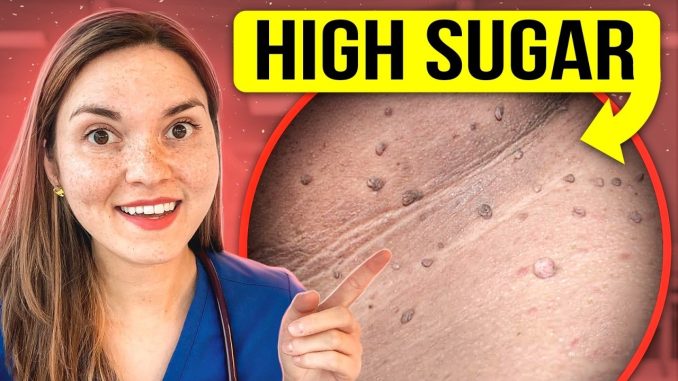
Furthermore, the appearance of **breakouts and blemishes** on your skin can extend beyond simple adolescent acne, often pointing to internal imbalances. While hormonal fluctuations are a primary driver of acne, persistent breakouts, particularly around the jawline or chin, can signal hormonal imbalances. Excessive oiliness might indicate overactive sebaceous glands, sometimes linked to diet or stress. Conversely, very dry patches coupled with breakouts could suggest a compromised skin barrier or underlying inflammatory issues. Dietary factors, particularly high sugar intake or certain food sensitivities, can also manifest as skin inflammation and acne, acting as a direct communication from your gut and metabolism.
The skin also serves as a crucial mirror for **stress and sleep patterns**. Chronic stress triggers a cascade of hormonal responses, including increased cortisol, which can lead to inflammation, increased oil production, and slower healing, often exacerbating conditions like acne, eczema, and psoriasis. Similarly, insufficient sleep directly impacts skin regeneration. During deep sleep, the body repairs cells and produces collagen. A lack of restorative sleep can result in dull skin, increased fine lines, and slower recovery from environmental damage. The term “beauty sleep” is rooted in scientific truth; your skin reflects your quality of rest.
Even seemingly minor skin changes can be informative. Brittle nails, for instance, can sometimes indicate nutritional deficiencies like iron or biotin, or thyroid issues. Swelling or puffiness, particularly around the eyes or ankles, can be a sign of fluid retention, potentially linked to dietary choices (high sodium), kidney function, or circulatory issues. New or changing moles require immediate medical attention, as they can be indicators of skin cancer, emphasizing the skin’s critical role as an early warning system.
In essence, your skin is a candid storyteller, constantly broadcasting clues about your internal health. It reflects the quality of your diet, your hydration habits, your stress levels, your sleep patterns, and the efficiency of your internal organs. By learning to observe its nuances—its color, texture, moisture, and any persistent changes—you empower yourself with an invaluable diagnostic tool. This heightened awareness allows you to make more informed lifestyle choices, address potential issues proactively, and engage with healthcare professionals more effectively. Treating your skin well isn’t just about aesthetics; it’s about listening to its messages and respecting its profound connection to your overall well-being.