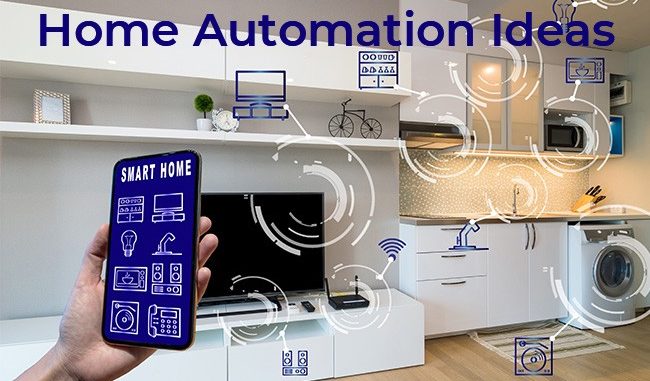
## How to Turn Your Home Into a Fully Automated Space: A Blueprint for the Intelligent Abode
The concept of the “smart home” has been a fixture in science fiction for decades, conjuring images of seamless convenience, intuitive control, and a living environment that anticipates our needs. Today, thanks to rapid advancements in connectivity, artificial intelligence, and miniaturized sensors, this futuristic vision is not only attainable but increasingly becoming a practical reality. Transforming a conventional residence into a truly *fully automated space* is no longer a mere novelty; it’s an investment in efficiency, security, comfort, and even energy savings. While the journey to complete home automation might seem daunting, it’s a remarkably achievable endeavor with a thoughtful approach and a foundational understanding of the interconnected technologies involved.
At its core, a fully automated home is one where various systems and devices communicate with each other and operate autonomously based on predefined rules, schedules, and environmental triggers, often without direct human intervention. This transcends simple remote control; it’s about creating an intelligent ecosystem that responds to your presence, learns your habits, and optimizes your living environment. The beauty lies in the orchestration of these disparate elements into a harmonious, responsive whole.
The first crucial step in embarking on this transformative journey is to **establish a robust and reliable network infrastructure**. Think of your home network as the central nervous system of your automated abode. A strong Wi-Fi signal throughout your entire property is paramount, potentially requiring mesh Wi-Fi systems for larger homes or those with thick walls. Furthermore, considering a combination of Wi-Fi, Zigbee, Z-Wave, and Matter-compatible devices will offer the greatest flexibility and ensure interoperability between different brands and product categories. While Wi-Fi is ubiquitous, dedicated smart home protocols like Zigbee and Z-Wave are often more energy-efficient and create a stable mesh network where devices can relay signals to each other, extending reach and reliability. Matter, the newest standard, aims to unify these disparate protocols, promising even greater ease of integration in the future.
Once the network foundation is solid, the next logical step is to **strategically integrate smart lighting and climate control**. These two categories offer some of the most immediate and impactful benefits of home automation. Smart light bulbs, switches, and dimmers can be programmed to respond to occupancy sensors, time of day, or even your arrival home. Imagine lights gently brightening as you wake up, automatically dimming for movie night, or switching off when no one is in a room, saving energy. Similarly, smart thermostats learn your preferred temperatures and schedules, optimizing heating and cooling based on outdoor conditions, occupancy, and even open windows, leading to significant energy cost reductions and enhanced comfort. Many systems also allow for zoning, ensuring different areas of your home are heated or cooled only when necessary.
Moving beyond comfort, **intelligent security systems** are a cornerstone of a truly automated home. This involves more than just a smart doorbell, though that’s an excellent starting point. Integrated smart locks can be programmed to automatically lock when you leave or unlock as you approach, recognizing your smartphone or fingerprint. Motion sensors, connected cameras, and window/door sensors can work in concert, not just to detect intrusions but to trigger automated responses – lights flashing, alarms sounding, and even alerting emergency services or sending video feeds to your phone. The ability to monitor your home remotely, receive real-time alerts, and grant temporary access to visitors or service providers adds an invaluable layer of peace of mind.
For the ultimate in convenience and efficiency, integrating **smart entertainment and appliance control** becomes essential. Voice assistants like Amazon Alexa, Google Assistant, or Apple HomeKit can become the central command center, allowing you to control music, adjust TV settings, or even preheat your oven with simple voice commands. Smart plugs can turn any ordinary appliance into a connected device, enabling remote control and scheduling. Imagine brewing your coffee before you even get out of bed, or starting the dishwasher from your office. Robotic vacuum cleaners and mops, once novelty items, are now highly sophisticated, navigating your home autonomously and maintaining cleanliness on a schedule you define.
The true magic of a fully automated home, however, lies in **creating seamless routines and automations**. This is where different smart devices cease to operate in silos and begin to interact intelligently. Using centralized smart home hubs or platforms (like Apple HomeKit, Google Home, Amazon Alexa, or more advanced systems like Home Assistant), you can create “scenes” and “routines” that trigger multiple actions simultaneously. For instance, a “Good Morning” routine might gradually brighten bedroom lights, turn on the coffee maker, and play the news. A “Leaving Home” routine could simultaneously lock doors, arm the security system, adjust the thermostat to an energy-saving mode, and turn off all lights. These complex interdependencies are what elevate a collection of smart devices into a truly automated living space.
While the initial investment in smart devices can be substantial, the long-term benefits in terms of energy savings, enhanced security, increased convenience, and improved quality of life often outweigh the costs. The journey to a fully automated home can be approached incrementally, starting with core systems and gradually expanding. The key is to plan, prioritize, and ensure compatibility between devices. As technology continues to evolve, making devices more affordable, intuitive, and interoperable, the fully automated home is poised to become the standard, transforming our living spaces into intelligent, responsive partners that enhance our daily lives.